Hohe Gaisl
Braies, l-Italja
- L-aħjar prezz garantit mill-imsieħba tagħna
- Ħafna kmamar b'kanċellazzjoni b'xejn
Dwar il-proprjetà
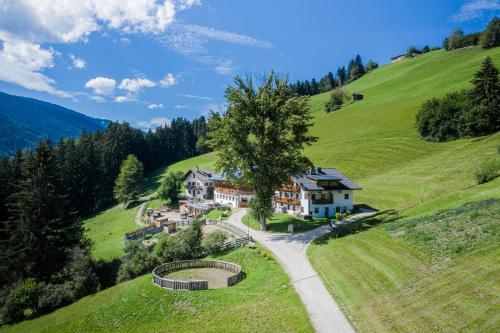
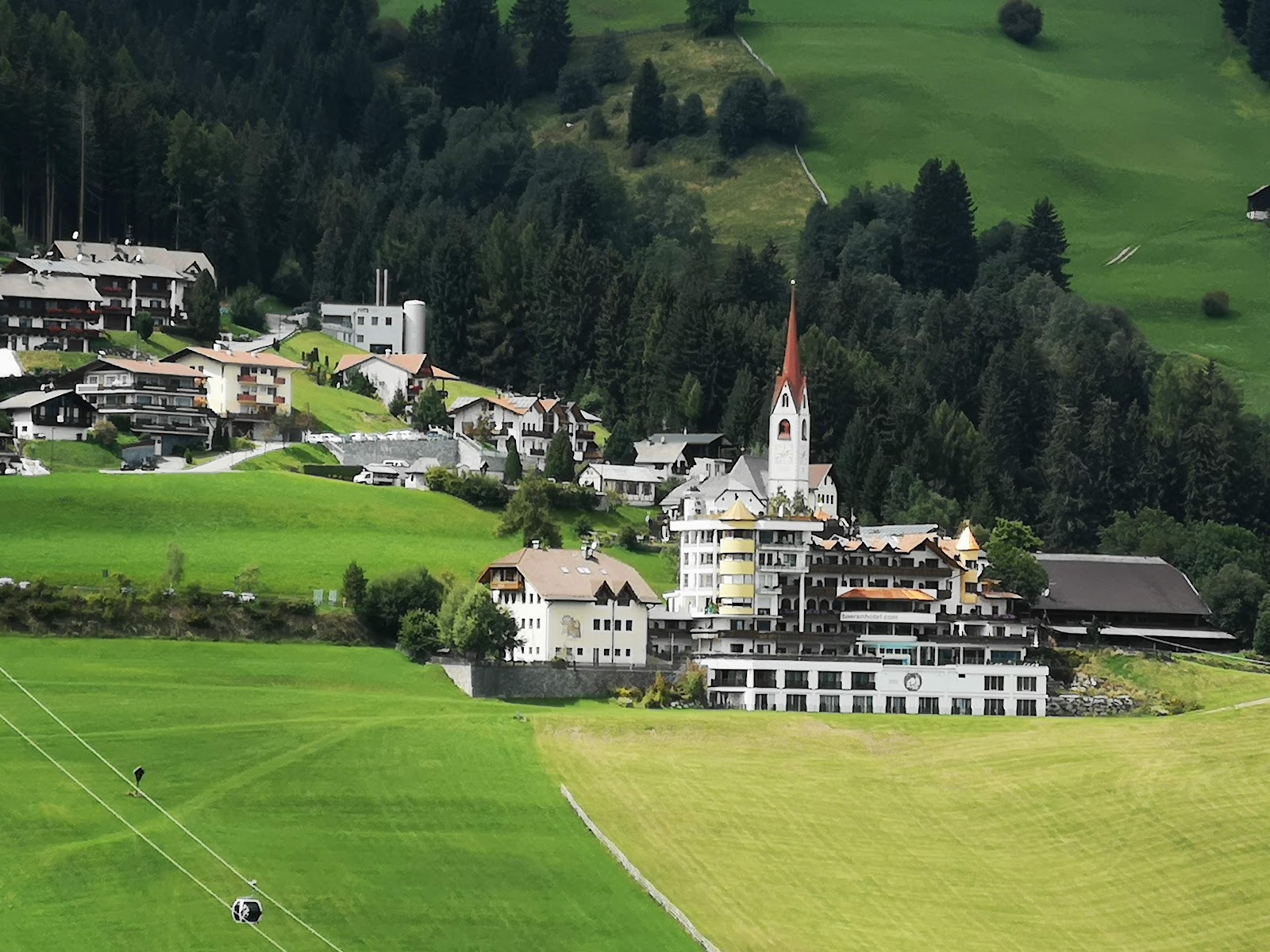
Located in the South Tyrol area and surrounded by the Dolomites, Hohe Gaisl is in Braies, a 30-minute drive from Dobbiaco. It offers a complete wellness area and a restaurant.
Each room at Gaisl Hohe has traditional mountain décor and light-wood furniture. They all overlook the surrounding mountains and come with satellite TV, heating and a private bathroom with a hairdryer.
Guests can enjoy Trentino specialities and wines, along with Italian favourites at Gaisl’s restaurant, serving 4-course dinners on its terrace. A breakfast buffet is available every morning.
The hotel’s spa and wellness centre is complete with an indoor pool, sauna, Turkish bath and jacuzzi. The property also has a sun terrace with free sun loungers and umbrellas.
At an altitude of 2000 metres, Hohe Gaisl is right in front of a cross-country ski run. It offers ski equipment rental and free ski storage space.
L-aktar faċilitajiet popolari
- Spa
- Pixxina
- Parkeġġ
Post
Braies, l-Italja
Skopri Braies
Ritratti, informazzjoni u gwidi tal-ivvjaġġar għas-soġġorn tiegħek.
Braies are a type of trouser worn by Celtic and Germanic tribes in antiquity and by Europeans subsequently into the Middle Ages. In the Late Middle Ages, they were used exclusively as undergarments. Braies generally hung to the knees or mid-calf, resembling what are today called shorts. They were made of leather, wool, or, in later years, cotton or linen. They were adopted by the Romans as braccae. By the 11th century, Braies were ankle-length pants held in place by a cord fitted through the top. People from the upper classes wore more fitting braies. while people of the lower classes typically wore loose braies.
Assistent tal-ivvjaġġar
onlajn
Aktar lukandi f'Braies
 9,9
9,9
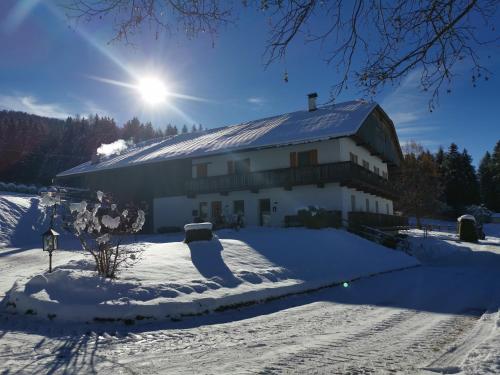
Biohof Untergröber
Braies, l-Italja
 9,9
9,9
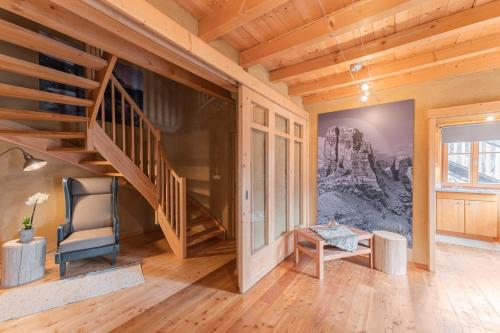
Eco Chalet Olival
Braies, l-Italja
 9,8
9,8
Bruggerhof Prags
Braies, l-Italja
 9,7
9,7
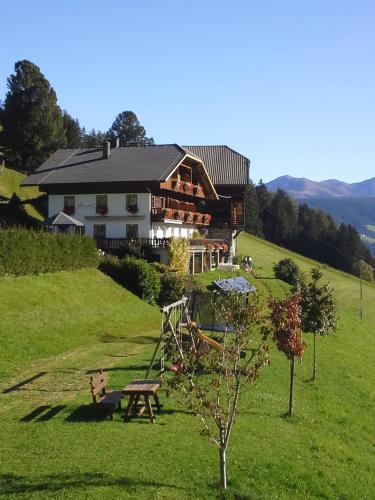
Residence Bergheim
Braies, l-Italja

Ħdejn Braies
Ġiti ta' jum jew l-istazzjon li jmiss tar-rotta tiegħek.