Suimeikan
Gero, Japan
- Bedste pris garanteret af vores partnere
- Mange værelser med gratis afbestilling
Om overnatningsstedet
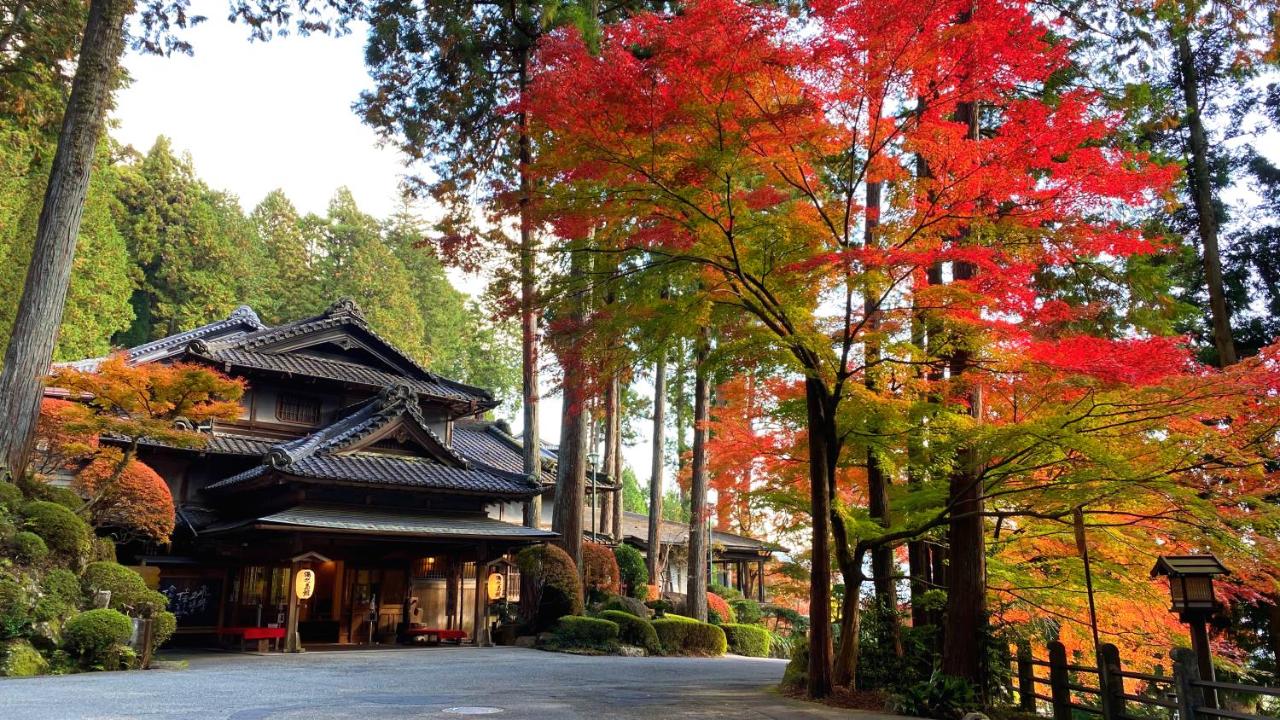
Set between the Hida River and Japanese Alps, Suimeikan offers rooms with river views. It has 3 hot-spring baths and the on-site restaurant where guests can enjoy seasonal local ingredients.
Just a 3-minute walk from JR Gero Train Station, the Suimeikan is a 10-minute stroll from Onsen-ji Temple. Gero Onsen Gassho Village is a 5-minute taxi ride away.
Some rooms feature an open-air bath, while certain rooms boasts views of Japanese garden. There are also carpeted spacious room with (woven-straw) flooring.
Guests can enjoy artworks designed by Japanese artists at the property. The lobby lounge features a garden view from floor-to-ceiling windows. For guests' convenience, there are facilities such as karaoke, spa, swimming pool and fitness centre.
Japanese, French or Chinese dishes are served for dinner at restaurants, upon prior request.
This ryokan has been awarded the TripAdvisor Certificate of Excellence 2014.
Mest populære faciliteter
- Spa
- Swimmingpool
- Parkering
Beliggenhed
Gero, Japan
Opdag Gero
Billeder, information og rejseguider til dit ophold.
Gero I, sometimes called the Great, was a prominent German noble from the Duchy of Saxony in the East Francia, who held several offices during the reign of king and later emperor Otto I (936–973). As one of the most notable counts in northern regions of Otto's realm, Gero was appointed as king's representative (legate) in the Saxon duchy. He was also appointed as margrave, thus ranking above other counts. The nature and scope of his jurisdiction as margrave was indicated in several sources, such as the Thietmar's Chronicle from the beginning of the 11th century, that mentions Gero as Margrave of the East. Since various sources provide data on Gero's continuous and frequent involvement in German expansion towards the lands of Polabian Slavs, that lied to the east of Saxon and Thuringian lands, traditional historiography regarded Gero as margrave over the subdued Slavic regions, thus coining the term March of Gero. Newer scholarly analyses have shown that some charters that contain data on Gero's march should be considered as later forgeries, thus leading modern researchers to question or reject various traditional views regarding the nature and effective scope of such a frontier province in the middle of the 10th century.
Rejseassistent
online
Flere hoteller i Gero
I nærheden af Gero
Dagsudflugter eller næste stop på din rute.