Yunoshimakan
Gero, Japan
- Best price guaranteed by our partners
- Many rooms with free cancellation
About the property
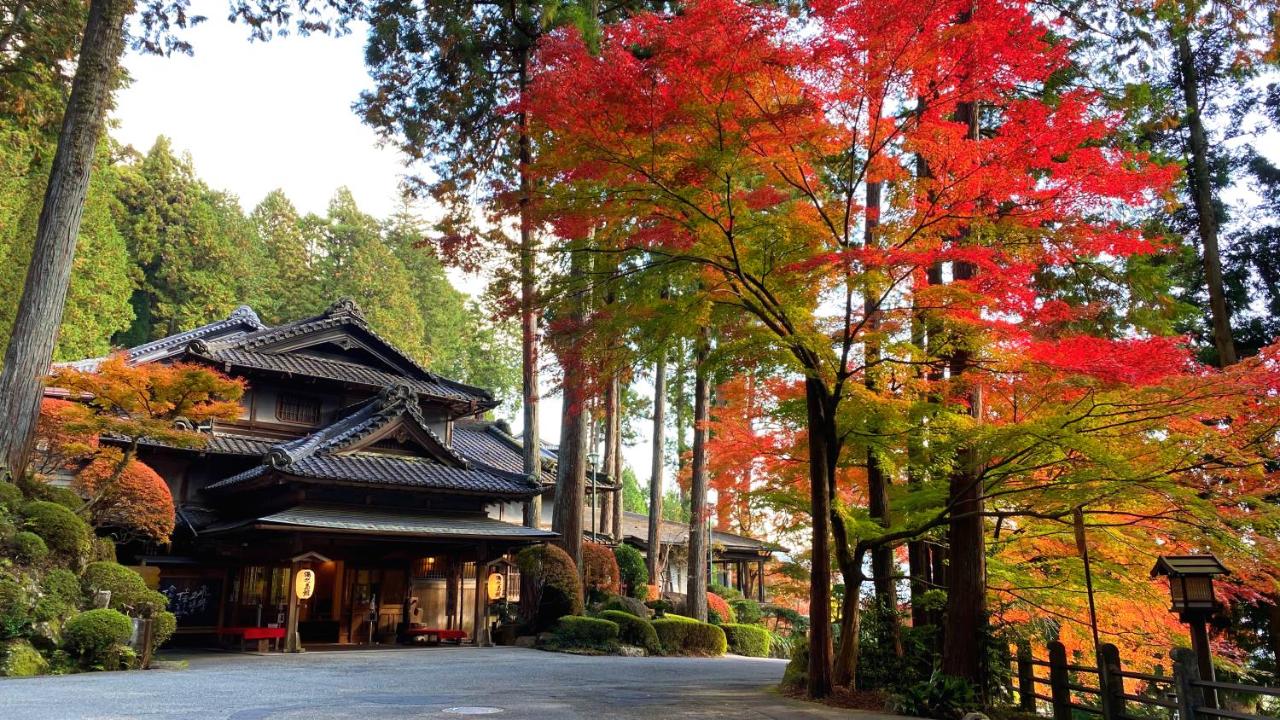
Located on a hill and overlooking the famous Gero hot-spring area, Yunoshimakan, founded in 1931, offers large public indoor hot spring baths and open-air hot spring baths. Guests stay in Japanese-style rooms and can request massages for an extra cost. This traditional property is registered as a tangible cultural property and has been awarded TripAdvisor's Certificate of Excellence.
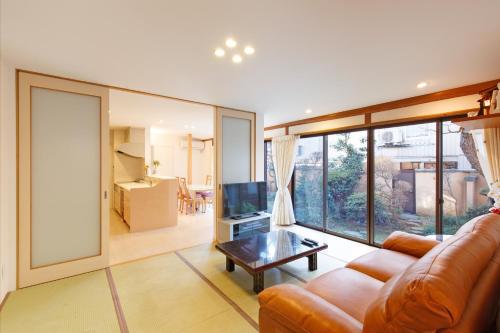
The air-conditioned rooms feature tatami (woven-straw) floors and Japanese futon bedding. Each comes with a flat-screen TV, a fridge and an electric kettle with green tea bags. Japanese Yukata robes and toothbrush sets are provided for all guests, and some rooms come with a private hot-spring bath. Others share bathrooms, while all rooms come with a private toilet.
Guests can relax at the traditional garden and enjoy night views of the city from the observatory. A billiard table and table tennis facilities are available for guests to spend their time. Local products can be purchased at the souvenir shop. Free WiFi is available throughout the property.
Traditional multi-course meals are served for dinner and a Japanese set-menu for breakfast. Meals are served at the guests’ rooms or at the dining room.
JR Gero Train Station is a 15-minute walk away. Yunoshimakan Ryokan is a 45-minute train ride from JR Takayama Station and a 2-hour drive from Shirakawago.
Most popular amenities
- Parking
Location
Gero, Japan
Discover Gero
Photos, information and travel guides for your stay.
Gero I, sometimes called the Great, was a prominent German noble from the Duchy of Saxony in the East Francia, who held several offices during the reign of king and later emperor Otto I (936–973). As one of the most notable counts in northern regions of Otto's realm, Gero was appointed as king's representative (legate) in the Saxon duchy. He was also appointed as margrave, thus ranking above other counts. The nature and scope of his jurisdiction as margrave was indicated in several sources, such as the Thietmar's Chronicle from the beginning of the 11th century, that mentions Gero as Margrave of the East. Since various sources provide data on Gero's continuous and frequent involvement in German expansion towards the lands of Polabian Slavs, that lied to the east of Saxon and Thuringian lands, traditional historiography regarded Gero as margrave over the subdued Slavic regions, thus coining the term March of Gero. Newer scholarly analyses have shown that some charters that contain data on Gero's march should be considered as later forgeries, thus leading modern researchers to question or reject various traditional views regarding the nature and effective scope of such a frontier province in the middle of the 10th century.
Nestled in the heart of the Japanese Alps, Gero is a picturesque town renowned for its hot springs and traditional Japanese inns. Here, you can soak in the healing waters of the famous Gero Onsen, which is said to have therapeutic properties that relieve muscle pain and stress. As you unwind in the warm embrace of the mineral-rich waters, you can marvel at the breathtaking views of the surrounding mountains and forests.
Apart from the hot springs, Gero is also home to several cultural landmarks that offer a glimpse into Japan's rich history and heritage. The Gero Museum of Natural History showcases the region's geological wonders and diverse flora and fauna, while the Gero Onsen Gassho Village is a replica of a traditional Japanese village that gives visitors a chance to experience the lifestyle and customs of the Edo period.
Travel assistant
online
More hotels in Gero

Near Gero
Day trips or the next stop on your route.