















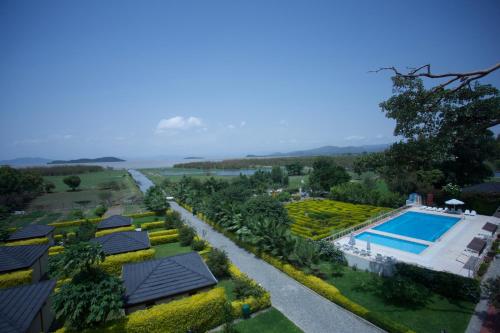
Discover Addis Ababa
One of the highlights of Addis Ababa is its food scene. Ethiopian cuisine is known for its unique flavors and spices, and you'll find a wide range of dishes to try in the city's restaurants and street food stalls. Be sure to try the national dish, injera, a sourdough flatbread that is served with a variety of stews and sauces.
While Addis Ababa may be a busy city, it is also a place where you can slow down and relax. The city is surrounded by stunning natural beauty, including the Entoto Mountains, where you can take a hike and enjoy panoramic views of the city below.
Discover Addis Ababa's Location in Ethiopia
Addis Ababa is the capital city of Ethiopia, located in the central part of the country. It is situated at an elevation of 2,355 meters above sea level, making it one of the highest capitals in the world.
The city is located in the Ethiopian highlands, surrounded by hills and mountains. It is located on the eastern side of the Great Rift Valley, which runs through Ethiopia from north to south. The city is situated on a plateau, which gives it a moderate climate despite its high elevation.
Addis Ababa is the largest city in Ethiopia, with a population of over 3 million people. It is the political, commercial, and cultural center of the country. The city is home to many important government institutions, including the African Union and the United Nations Economic Commission for Africa.
The city is also known for its many museums, including the Ethiopian National Museum and the Addis Ababa Museum. It is a cosmopolitan city with a rich cultural heritage, and visitors can enjoy traditional music, dance, and food.
Addis Ababa is served by Bole International Airport, which is located about 6 kilometers southeast of the city center. The airport is the main hub for Ethiopian Airlines, which offers flights to destinations throughout Africa, Europe, and Asia.
Discover Addis Ababa's Wonders: Ethiopia's Capital
Discover Addis Ababa's Wonders: Ethiopia's Capital is a must-visit destination for anyone traveling to Ethiopia. Located in the heart of the country, Addis Ababa is a bustling metropolis with a rich cultural heritage.
One of the most notable attractions in Addis Ababa is the National Museum of Ethiopia, which houses the famous fossil remains of Lucy, one of the earliest known human ancestors. Visitors can also explore the city's many markets, where they can find traditional handicrafts and sample delicious Ethiopian cuisine.
Another must-visit site in Addis Ababa is the Holy Trinity Cathedral, which is the final resting place of former Ethiopian Emperor Haile Selassie. The cathedral is adorned with beautiful stained glass windows and intricate wood carvings, and visitors can also see the emperor's throne and personal belongings on display.
For those interested in history and politics, a visit to the African Union Headquarters is a must. The headquarters, which is located in Addis Ababa, is home to the African Union Commission and is where leaders from across the continent come together to address issues facing the African community.
Finally, no trip to Addis Ababa would be complete without a visit to Entoto Hill, which offers breathtaking views of the city below. Visitors can also explore the Entoto Maryam Church, which is one of the oldest churches in Ethiopia and is said to have been built by Emperor Menelik II.
Addis Ababa County: Location and Facts
Addis Ababa County: Location and Facts
Addis Ababa, also known as the "New Flower," is the capital city of Ethiopia. It is located in the central part of the country, on a plateau at an altitude of 2,355 meters above sea level. The city covers an area of 530 square kilometers and has an estimated population of over 3 million people.
Addis Ababa County is one of the 10 counties in the Oromia Region, which surrounds the city. The county is divided into 10 sub-cities, each with its own distinct character and culture. These sub-cities include Arada, Addis Ketema, Akaky Kaliti, Bole, Gulele, Kolfe Keranio, Lideta, Nifas Silk-Lafto, Kirkos, and Yeka.
The city is the political and economic center of Ethiopia, hosting many international organizations such as the African Union and the United Nations Economic Commission for Africa. It is also home to many historical and cultural sites, including the National Museum of Ethiopia, the Holy Trinity Cathedral, and the Ethnological Museum.
One of the most notable features of Addis Ababa is its diverse population, with over 80 different ethnic groups living in the city. This diversity is reflected in the city's vibrant culture, with a rich mix of music, dance, art, and cuisine.
Discover Addis Ababa's Precise Location
Addis Ababa is the capital city of Ethiopia, located in the central part of the country. It is situated at an altitude of 2,355 meters (7,726 feet) above sea level, making it one of the highest capitals in the world.
The city is located in the Horn of Africa, bordered by Eritrea to the north, Djibouti to the northeast, Somalia to the east, Kenya to the south, and Sudan to the west. Addis Ababa is located in the Oromia Region of Ethiopia, but it is also considered a chartered city, meaning it has a special status and is not part of any region.
The precise location of Addis Ababa is 9.02497° N latitude and 38.74689° E longitude. The city covers an area of 530 square kilometers (200 square miles) and has a population of over 3 million people, making it the largest city in Ethiopia.
Addis Ababa is known for its rich history, diverse culture, and vibrant nightlife. It is home to many museums, art galleries, and cultural centers, including the Ethiopian National Museum, the Addis Ababa Museum, and the Ethnological Museum.
The city is also home to many important institutions, including the African Union headquarters, the United Nations Economic Commission for Africa, and the headquarters of several other regional and international organizations.
The climate in Addis Ababa is generally mild, with temperatures ranging from 10°C to 25°C (50°F to 77°F) throughout the year. The rainy season is from June to September, with the heaviest rainfall occurring in July and August.
In conclusion, Addis Ababa is a bustling city that serves as the political, economic, and cultural hub of Ethiopia. Its rich history, diverse culture, and breathtaking landscapes make it a must-visit destination for any traveler. Despite challenges such as poverty and overcrowding, the city continues to thrive and attract people from all over the world. With ongoing development projects and efforts to preserve its unique heritage, Addis Ababa is poised to remain one of Africa's most vibrant and dynamic cities for years to come.