



Discover Ziway
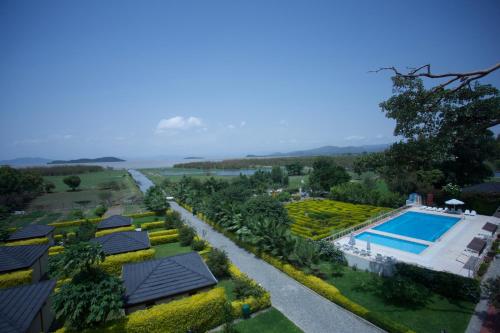
Another must-see attraction in Ziway is the lake itself. Lake Ziway is one of the largest freshwater lakes in Ethiopia and is home to a diverse ecosystem of birds and fish. You can take a boat ride on the lake to explore its many islands and see the wildlife up close.
If you're a food lover, Ziway is the perfect destination for you. The town is famous for its delicious fish dishes, which are cooked using traditional methods and served fresh from the lake. You can also try other local specialties, such as injera (a type of sourdough flatbread) and shiro (a spicy stew made with chickpeas).
Discover Lake Ziway's Location: A Hidden Gem
Located in the Ethiopian country, Lake Ziway is a hidden gem waiting to be discovered. It is one of the largest freshwater lakes in Ethiopia and is situated in the Great Rift Valley. The lake is surrounded by picturesque landscapes and is home to an abundance of wildlife and bird species.
The location of Lake Ziway is ideal for nature lovers and bird watchers. It is located about 160 km south of Addis Ababa, the capital city of Ethiopia. The lake is easily accessible by road and is a popular destination for tourists who want to experience the natural beauty of Ethiopia.
The lake is fed by several rivers and streams, and its waters are rich in fish species, making it a popular spot for fishing enthusiasts. Visitors can also enjoy boat rides on the lake and take in the stunning scenery of the surrounding area.
The area around Lake Ziway is also home to several cultural and historical sites, including the ancient monastery of St. Mary of Ziway. The monastery is believed to have been founded in the 13th century and is still in use today. Visitors can explore the monastery and learn about its rich history and culture.
Discover Lake Ziway's Island: A Hidden Gem
Located in the heart of Ethiopia, Lake Ziway is an unassuming body of water that boasts a captivating and serene atmosphere. However, what truly sets this lake apart from others in the region is the presence of a hidden gem: an island that is home to an array of fascinating wildlife and breathtaking natural beauty.
For those who are looking to escape the hustle and bustle of everyday life, a visit to Lake Ziway's island is an absolute must. The island is home to a wide variety of bird species, including pelicans, storks, and eagles, making it a bird-lover's paradise. Visitors can also catch a glimpse of the rare Colobus monkey, which is native to the area.
Aside from the wildlife, the island is also known for its stunning natural scenery. Visitors can take a leisurely stroll through the island's lush forests and take in the breathtaking views of the lake and surrounding mountains. The island is also home to a number of hot springs, which are said to have healing properties.
For those interested in history, the island has a rich cultural heritage that is reflected in its ancient churches and monasteries. One such example is the Ura Kidane Mehret Monastery, which dates back to the 14th century and is known for its vibrant frescoes.
Getting to the island is an adventure in itself. Visitors can take a traditional Ethiopian boat, known as a 'tankwa', to the island. The journey across the lake is a serene and peaceful experience, as the boat glides across the shimmering water.
Discover Ethiopia's Largest Region
Ziway is a locality located in the Oromia region of Ethiopia. It is a town that is well known for its beautiful Ziway Lake, which is one of the largest freshwater lakes in the country.
The Ziway Lake is a significant source of water for the surrounding areas, and it is also a popular tourist destination known for its vast array of bird species. In fact, the lake was designated as an Important Bird Area (IBA) by BirdLife International.
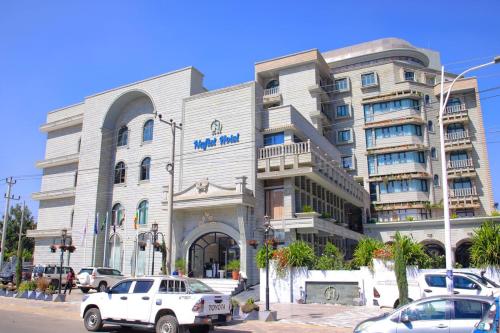
The town of Ziway is located approximately 160 kilometers south of the capital city, Addis Ababa. It is accessible by road, and visitors can also take the train from Addis Ababa to Ziway. The town is relatively small, but it offers a range of amenities for visitors, including hotels, restaurants, and markets.
Aside from the Ziway Lake, there are many other attractions for visitors to enjoy in the surrounding area. These include the Abijatta-Shalla National Park, which is home to a range of wildlife, including zebras, gazelles, and baboons. There is also the Adadi Maryam Rock-Hewn Church, which is a UNESCO World Heritage Site.
Ziway is also known for its agricultural activities, particularly the cultivation of crops such as teff, which is used to make the traditional Ethiopian bread, injera. Visitors can tour local farms to learn more about the farming practices and sample some of the local produce.
Discover Ethiopia's Deepest Lake: Exploring Its Mysterious Depths
Ziway is a small town located in the Oromia region of Ethiopia. It is known for its beautiful scenery and the famous Lake Ziway, which is the largest of the five crater lakes found in the region. However, it is not just the size of the lake that makes it special, but also its depth.
Lake Ziway is Ethiopia's deepest lake, with a depth of up to 110 meters. This makes it an ideal location for divers who want to explore the mysterious depths of the lake. The lake is home to a variety of fish species, including tilapia and catfish, as well as a number of bird species.
Aside from diving, visitors can also take a boat ride on the lake and enjoy the breathtaking views of the surrounding mountains. The lake is also surrounded by a number of small villages where visitors can experience the local culture and way of life.
Ziway is also known for its coffee plantations. The town is home to a number of coffee farms where visitors can learn about the coffee-making process and taste some of the best coffee in Ethiopia.
Overall, Ziway is a unique and diverse locality in Ethiopia that offers a range of experiences for both locals and tourists alike. From its stunning landscapes, rich cultural heritage, and delicious cuisine, Ziway has a lot to offer. Despite facing various challenges such as climate change and economic instability, the people of Ziway remain resilient and determined to build a better future for themselves and their community. As the region continues to develop and grow, it is sure to become an even more significant part of Ethiopia's cultural and economic landscape.