
Discover Chimbote
But Chimbote isn't just about beaches and food. The city also has a rich history that's worth exploring. One of the top historical sites is the Chan Chan Archaeological Zone, a UNESCO World Heritage Site that was once the capital of the ancient Chimu civilization. Here, you can marvel at the impressive adobe structures and learn about the fascinating history of this ancient civilization.
Discover Chimbote: Peru's Hidden Gem
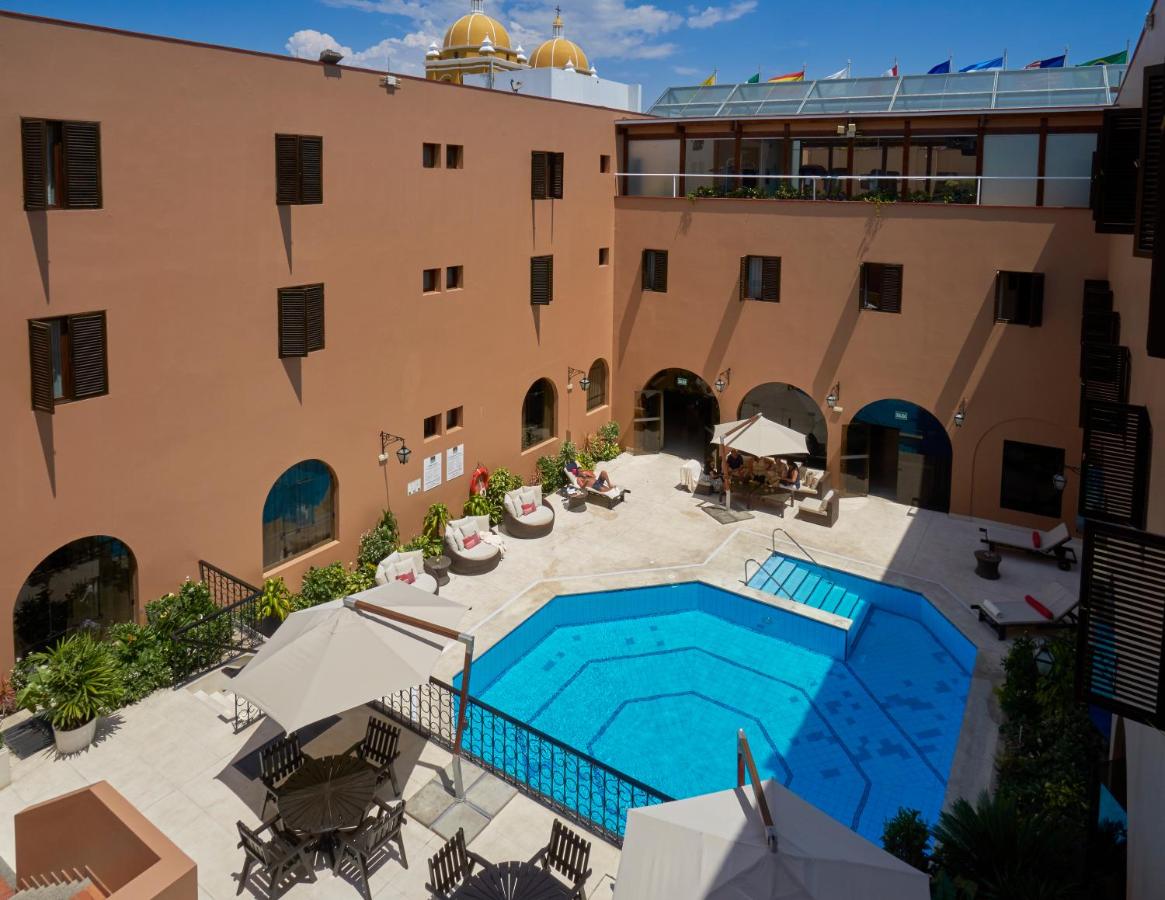
Chimbote is a city located on the coast of Peru, known for its fishing industry and beautiful beaches. Despite being a hidden gem, Chimbote has a lot to offer visitors who are looking for an authentic Peruvian experience.
History: The city has a rich history dating back to pre-Incan times, with evidence of settlements from the Moche and Chimu cultures. In the 20th century, Chimbote became a major center for fishing and canning, leading to a boom in population and economic growth.
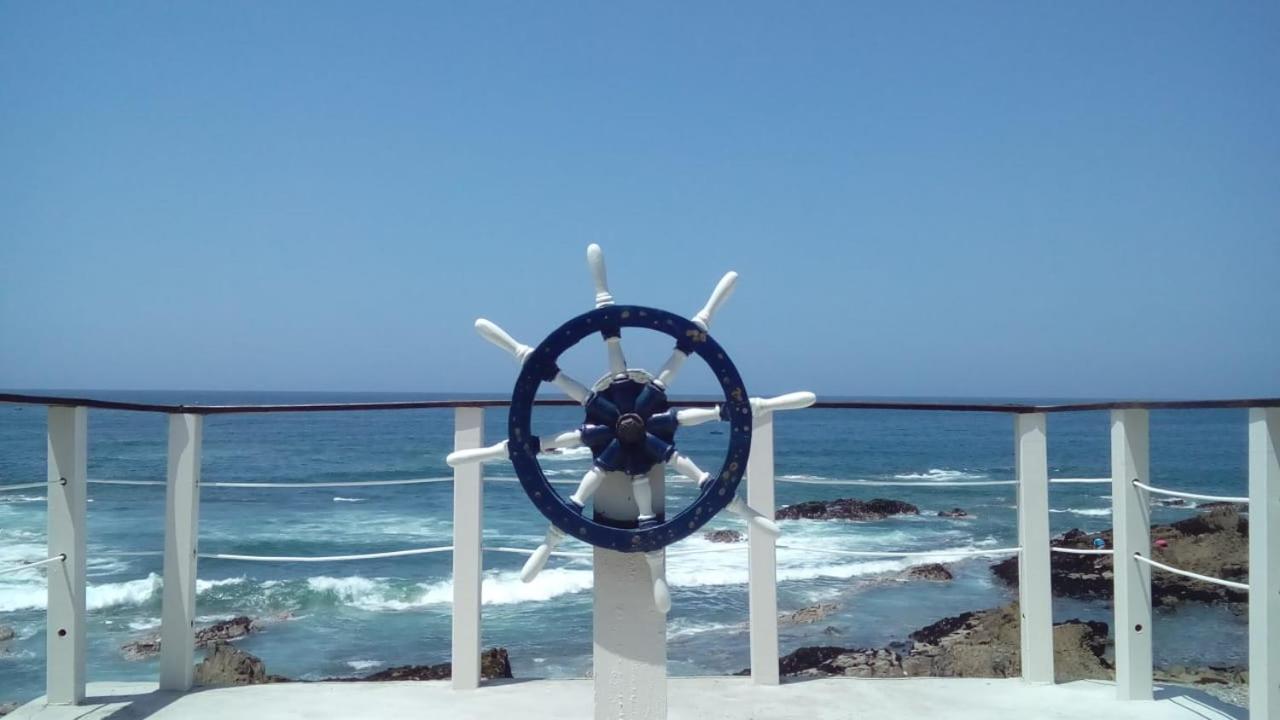
Beaches: Chimbote is home to some of the most beautiful beaches in Peru, including El Dorado, Vesique, and Tortugas. These beaches are perfect for swimming, sunbathing, and surfing.
Food: As a coastal city, Chimbote is famous for its seafood dishes. Visitors can try ceviche, a popular Peruvian dish made with raw fish marinated in lime juice and spices. Other seafood dishes include arroz con mariscos (rice with seafood) and jalea (a mixed seafood dish).
Culture: Chimbote has a vibrant cultural scene, with music, dance, and art festivals throughout the year. The city is also home to the National University of Santa, which offers courses in a variety of subjects.
Day trips: Visitors can take day trips from Chimbote to nearby attractions, including the Huascaran National Park, the Chavín de Huantar archaeological site, and the city of Trujillo.
Population of Chimbote Peru: Facts and Figures
Chimbote is a city located on the coast of the Ancash region of Peru. It is the largest city in the region and is known for its fishing industry. The city has a population of approximately 350,000 people.
The population of Chimbote has grown significantly over the years. In the 1940s, the city had a population of only around 5,000 people. However, with the growth of the fishing industry and the construction of a steel mill, the population began to boom.
Today, Chimbote is one of the most populous cities in Peru. The city continues to grow, with many people moving to the region in search of work opportunities. The population growth has led to some challenges for the city, including a strain on resources and infrastructure.
Despite these challenges, Chimbote remains an important city in Peru. It is a hub for fishing and seafood processing, and it is also home to a number of universities and research institutions. The city has a rich cultural heritage, with many festivals and celebrations throughout the year.
The population of Chimbote is diverse, with many different ethnic and cultural groups represented. The majority of the population is of mixed race, with indigenous and Spanish ancestry. There are also significant populations of Afro-Peruvians and Chinese Peruvians.
The Fascinating History of Chimbote, Peru
Chimbote is a city located on the coast of northern Peru, about 420 kilometers north of Lima. The city has a fascinating history that dates back thousands of years.
According to archaeological evidence, the Chimbote area was inhabited by the Moche people as early as the 4th century AD. The Moche were known for their advanced irrigation systems and their intricate pottery. They also built impressive pyramids, some of which still stand today.
In the 15th century, the Inca Empire expanded into the Chimbote area, bringing with them their own unique culture and architecture. After the Spanish conquest in the 16th century, Chimbote became an important center for trade and commerce. The city's port facilitated the export of goods such as cotton, sugar, and fish.
Chimbote continued to grow throughout the 20th century, becoming one of Peru's most important industrial centers. In the 1960s and 1970s, the city experienced a boom in the fishing industry, which led to a rapid increase in population.
However, this period of growth also had negative consequences for Chimbote. The city became known for its pollution, caused by the discharge of industrial waste into the ocean. This pollution had a devastating impact on the local fishing industry, which was vital to the city's economy.
In recent years, efforts have been made to clean up the pollution in Chimbote and to revive the local fishing industry. The city has also become a popular destination for tourists interested in exploring its rich history and culture.
Today, Chimbote is a vibrant city that is home to over 300,000 people. Its beautiful beaches, delicious seafood, and rich history make it a must-see destination for anyone visiting Peru.
Discover Fascinating Chimbote Peru Facts
Chimbote is a city located on the coast of northern Peru. It is the largest city in the Ancash region and has a population of over 300,000 people. The city is known for its fishing industry and is often referred to as the "capital of ceviche," a popular Peruvian seafood dish.
Chimbote has a rich history dating back to pre-Incan times. The Chimu civilization inhabited the area before the arrival of the Incas. The city was later founded by the Spanish in the 17th century.
The city's economy is heavily dependent on its fishing industry. It is home to the largest fishing port in Peru and one of the largest in South America. The anchovy catch is particularly important, as it is used for the production of fishmeal and fish oil.
Chimbote was devastated by a massive earthquake in 1970, which killed over 70,000 people and destroyed much of the city.
Despite this tragedy, the city has managed to rebuild and is now a bustling commercial hub. It is home to several universities, museums, and cultural centers. The city is also a popular destination for tourists, who come to enjoy its beautiful beaches and delicious seafood.
Chimbote is known for its vibrant music scene, particularly in the genre of cumbia. The city has produced many famous cumbia musicians, including Los Shapis and Grupo Nectar.
In conclusion, Chimbote is a unique locality in Peru with a rich history, vibrant culture, and stunning natural beauty. While it may not be the most popular tourist destination in the country, it offers a unique experience for those who are willing to explore. From the bustling markets to the tranquil beaches, there is something for everyone in Chimbote. Whether you are interested in history, food, or outdoor activities, this charming city is worth a visit. Come and discover the hidden gems of Chimbote for yourself and experience the true essence of Peru.