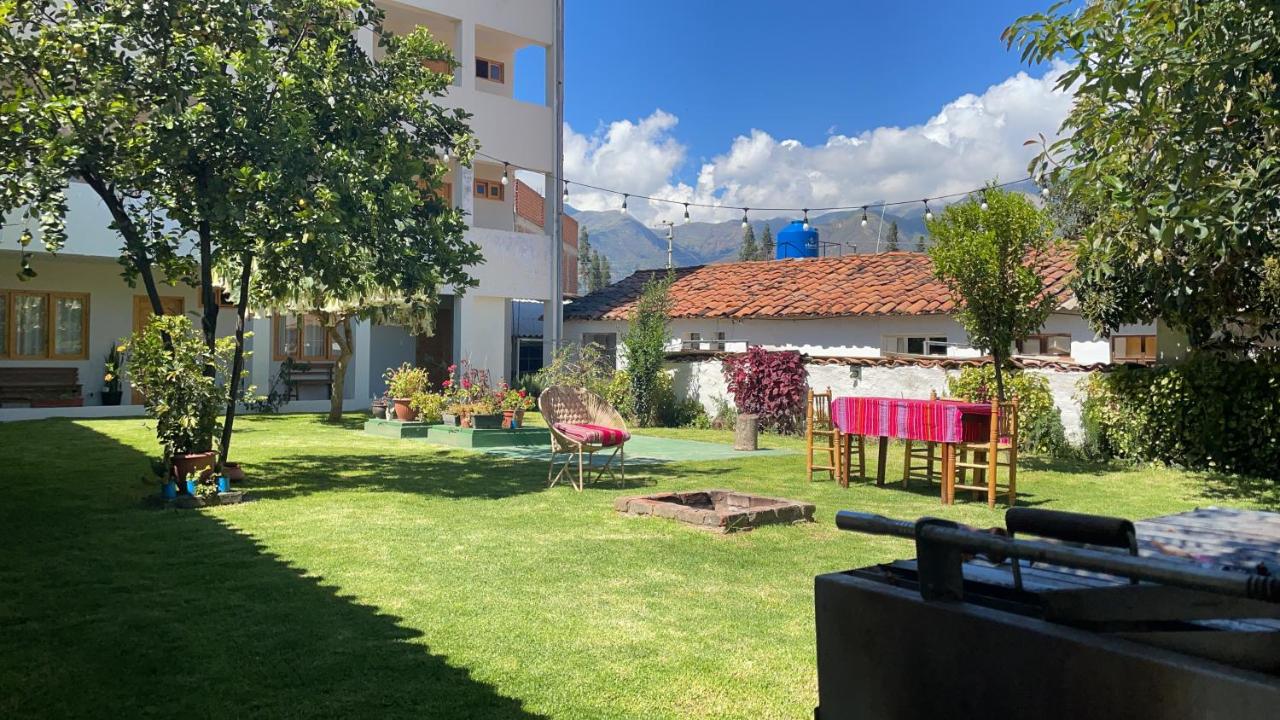



Discover Yungay
For those looking for a more adventurous experience, Yungay offers a range of exciting outdoor activities. From white-water rafting to paragliding, there is no shortage of opportunities to get your adrenaline pumping. The town is also home to a number of hot springs and spas, providing the perfect opportunity to unwind after a day of adventure.
Tragic History of Yungay Peru: Disaster and Aftermath
Yungay, a small town in the Ancash region of Peru, was once a bustling community with a vibrant culture and a strong connection to the land. However, on May 31st, 1970, a catastrophic event would forever change the course of Yungay's history.
A massive earthquake, measuring 7.9 on the Richter scale, hit the area, causing a massive avalanche that buried the town and its inhabitants under 300 feet of ice, rock, and snow. The disaster resulted in the deaths of an estimated 20,000 people, including nearly the entire population of Yungay.
The tragedy of Yungay is considered one of the worst natural disasters in Latin American history. The aftermath of the disaster was devastating, with families left homeless, communities shattered, and a once-thriving town reduced to rubble.
The government of Peru declared the region a disaster zone and began a massive relief effort to aid the survivors. Despite the efforts of rescue workers and volunteers, the damage was too severe, and many lives were lost.
Today, Yungay serves as a memorial to the tragedy that occurred on that fateful day in 1970. The town was rebuilt a few kilometers away from the original location, but the memories of the disaster continue to haunt the community.
The tragedy of Yungay serves as a reminder of the power of nature and the importance of disaster preparedness. It is a story of resilience and survival in the face of unimaginable tragedy. The people of Yungay have rebuilt their lives, but they will never forget the events that changed their town forever.
Discover Yungay's Location: Country Revealed
The town of Yungay is located in Peru, a country in South America.
Yungay is situated in the Ancash Region, which is located in the northern part of Peru. It is approximately 450 kilometers north of Lima, the country's capital city.
The town is nestled in a valley surrounded by the Andes Mountains, which provides a stunning backdrop for the town's picturesque setting. The Huascarán National Park, which is home to the highest mountain in Peru, is located nearby.
The town of Yungay is known for its rich history and cultural heritage. It was founded in the 16th century and has been an important center for agriculture and trade for hundreds of years.
Today, Yungay is a popular tourist destination, attracting visitors from all over the world who come to admire its natural beauty and learn about its fascinating history.
Yungay Reconstruction: Updates on Rebuilding Efforts
Yungay is a locality in the Ancash region of Peru that was devastated by an earthquake in 1970. The earthquake, which measured 7.9 on the Richter scale, triggered a massive landslide that buried the town and killed an estimated 20,000 people.
Since the disaster, Yungay has been slowly rebuilding, with efforts focused on creating a safer and more resilient community.
One of the main projects in the Yungay reconstruction effort is the construction of a new town center. The center will include a park, a market, and a cultural center, and will be designed to withstand future earthquakes and landslides. The project is being funded by the government of Peru and is expected to be completed in the next few years.
Another important aspect of the Yungay reconstruction effort is the creation of new housing for residents. Many of the town's residents lost their homes in the earthquake and have been living in temporary housing ever since. The government of Peru has been working to build new, permanent homes for these residents, with the goal of providing safe and secure housing for all of Yungay's inhabitants.
In addition to these major projects, the Yungay reconstruction effort also includes smaller-scale initiatives designed to improve the quality of life for residents. For example, the government of Peru has been working to improve the town's water supply, which was damaged in the earthquake. They have also been providing funding for community projects, such as the construction of a new sports complex.
Causes of 1970 Peru Earthquake: Unveiling the Triggers
The 1970 Peru earthquake, also known as the Great Peruvian earthquake, was a catastrophic event that occurred on May 31, 1970. The earthquake had a magnitude of 7.9 on the Richter scale and is considered one of the deadliest earthquakes in history, claiming the lives of approximately 70,000 people.
The earthquake was caused by the subduction of the Nazca plate beneath the South American plate. This subduction zone is known as the Peru-Chile Trench and is located off the coast of Peru. The movement of the plates caused a rupture in the earth's crust, resulting in the earthquake.
Yungay, a small town in the Ancash region of Peru, was one of the hardest hit areas during the earthquake. The town was located near the epicenter of the earthquake, and the shaking caused massive landslides that buried the town under a layer of mud and debris.
The landslides that buried Yungay were triggered by the earthquake. The shaking caused the unstable slopes surrounding the town to give way, resulting in a massive landslide that buried the town. The landslide was so large that it completely destroyed the town, killing almost all of its inhabitants.
Yungay was also affected by a phenomenon known as liquefaction. Liquefaction occurs when soil loses its strength and stiffness due to the shaking caused by an earthquake. The soil in Yungay became liquefied during the earthquake, causing buildings to sink or collapse.
The 1970 Peru earthquake was a tragic event that had a devastating impact on Yungay and the surrounding areas. The earthquake was caused by the movement of tectonic plates, and the landslides that buried Yungay were triggered by the shaking. Liquefaction also played a role in the destruction of the town. The earthquake serves as a reminder of the power and unpredictability of nature, and the importance of being prepared for natural disasters.
In conclusion, Yungay is a charming locality in Peru country that offers visitors a unique blend of natural beauty, history, and culture. Despite the tragic events that took place in 1970, Yungay has managed to rebuild itself and become a popular tourist destination. The town's stunning surroundings, friendly locals, and fascinating history make it a must-visit destination for anyone traveling to Peru. Whether you're interested in exploring the area's natural wonders, learning about its fascinating past, or simply soaking up the local culture, Yungay is sure to leave a lasting impression on you.