







Discover Ostia Antica
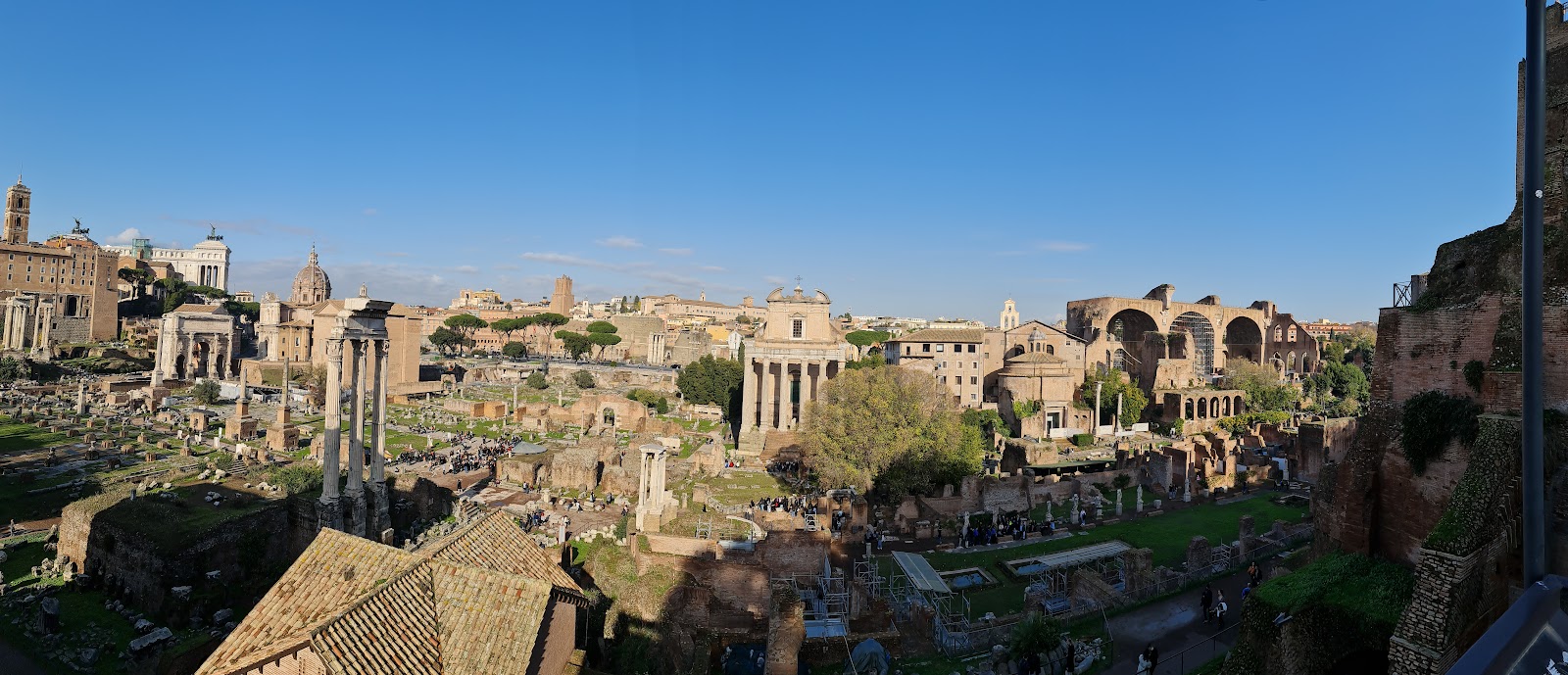
Another must-see attraction in Ostia Antica is the Forum, which was the center of political and social life in the city. The Forum was the site of public speeches, ceremonies, and other events, and today it remains a fascinating place to explore. The ruins of the Forum include the remains of the Basilica, which was once a grand hall used for legal proceedings and public meetings.
As you wander through the streets of Ostia Antica, you will also see the remains of private homes, which give insight into the daily life of the city's inhabitants. These homes range in size and style, from modest apartments to grand villas. One of the most interesting homes to explore is the House of Diana, which features beautiful frescoes depicting scenes from Greek mythology.
Discovering Ostia: A Guide to its Location in Italy
Ostia Antica is a locality situated in the Lazio region of Italy, which was once a thriving port town in ancient Rome. The town was established in the 4th century BC and served as the main port for Rome until the 4th century AD. Today, it is a well-preserved archaeological site that provides a glimpse into ancient Roman life.
If you are planning to visit Ostia Antica, the easiest way to get there is by taking the train from Rome. The journey takes approximately 30 minutes and costs around €1.50 each way. Once you arrive at the Ostia Antica train station, it is just a short walk to the archaeological site.
The archaeological site at Ostia Antica covers an area of approximately 15 hectares and is home to a variety of ancient ruins. Some of the most notable structures include the amphitheatre, the forum, the public baths, and the House of Diana. Visitors can explore these ruins at their own pace and get a sense of what life was like in ancient Rome.
Tips for Visiting Ostia Antica
Here are a few tips to help you make the most of your visit to Ostia Antica:
Wear comfortable shoes as there is a lot of walking involved.
Bring water and snacks as there are limited food options inside the site.
Pick up a map at the entrance to help guide you through the site.
Consider hiring a guide to provide more in-depth information about the site.
Discovering Ostia: Country Location and History
Ostia Antica is an ancient Roman city that lies at the mouth of the River Tiber, about 30 km west of Rome, Italy. It was originally founded by the fourth king of Rome, Ancus Marcius, in the 7th century BC as a military outpost to defend Rome from sea invasions.
Over the centuries, Ostia Antica grew to become an important commercial center and port city, handling trade and commerce between Rome and other parts of the Mediterranean. The city was also a popular destination for wealthy Romans who built luxurious villas and houses in the area.
Ostia Antica is a well-preserved archaeological site that offers visitors a glimpse into the daily life of ancient Romans. The site covers an area of about 10 square kilometers and includes well-preserved ancient buildings such as temples, baths, markets, and homes. Visitors can explore the ruins of the city on foot, and see the well-preserved mosaics, frescoes, and sculptures that adorn the buildings.
One of the most impressive buildings in Ostia Antica is the amphitheater, which could seat up to 4,000 spectators. Other notable buildings include the Forum, which was the center of political and economic activity in the city, and the Terme di Nettuno (Baths of Neptune), which were the largest public baths in the city.
Today, Ostia Antica is a popular tourist destination, attracting visitors from around the world who come to see the well-preserved ruins and learn about the history of this ancient city. The site is also a popular destination for school trips and archaeological research, as it offers a wealth of information about ancient Roman life.
Discovering Ostia Rome: Ancient Port City Wonders
Ostia Antica is an ancient port city located in Italy, just a few miles away from Rome. The city was founded in the 4th century BC and served as the main port of Rome for centuries. Today, it is one of the most fascinating archaeological sites in Italy, attracting thousands of visitors every year.
Walking through the ruins of Ostia Antica is like taking a step back in time. You can see the remains of the ancient city walls, the forum, the temple of Rome and Augustus, the theater, and the public baths, among many other buildings and structures.
One of the most impressive buildings in Ostia Antica is the House of the Shipowner, a well-preserved mansion that belonged to a wealthy merchant in the 2nd century AD. The house is decorated with beautiful frescoes and mosaics, and it has a stunning courtyard with a fountain and a small pool. You can also see the remains of the private baths, the kitchen, and the bedrooms.
Another highlight of Ostia Antica is the public baths, which were an essential part of Roman life. The baths were not only a place to wash and relax, but also a social hub where people could meet, gossip, and do business. The public baths in Ostia Antica are among the best-preserved in the world, and you can see the various rooms, such as the frigidarium (cold room), the tepidarium (warm room), and the caldarium (hot room).
The theater is another must-see attraction in Ostia Antica. Built in the 1st century AD, it could seat up to 3,000 people and was used for various performances, such as plays, concerts, and gladiator fights. The theater has a beautiful stage backdrop with columns and statues, and you can still see the remains of the seating and the vomitoria (entrance and exit passages).
If you are interested in ancient religion, don't miss the temple of Rome and Augustus. This temple was built in the 1st century BC and dedicated to the emperor Augustus and the goddess Roma. It has a beautiful courtyard with a pool and a fountain, and you can see the remains of the altar and the cult statues.
Exploring the Significance of Ostia Antica
Ostia Antica is a locality in Italy that is steeped in history and culture. Located just a short distance from Rome, it was once a bustling port city that served as the gateway to the capital of the Roman Empire. Today, it is one of the most well-preserved ancient cities in Italy, offering visitors a rare glimpse into the past.
One of the most significant aspects of Ostia Antica is its role as a cultural and commercial hub during the Roman Empire. The city was founded in the 4th century BC and quickly became an important port for the import and export of goods. Its strategic location at the mouth of the Tiber River made it an ideal location for trade, and it soon became one of the wealthiest and most influential cities in the empire.
Today, Ostia Antica is a popular destination for tourists who are interested in ancient history and archaeology. The city boasts a number of well-preserved structures, including a forum, a theater, and multiple temples. Visitors can also explore the city's network of streets and alleyways, which offer a glimpse into daily life in ancient Rome.
One of the most impressive structures in Ostia Antica is the city's amphitheater. Built in the 1st century AD, it could seat up to 4,000 spectators and was used for a variety of events, including gladiatorial games and theatrical performances. Today, visitors can walk through the amphitheater and imagine what it would have been like to attend an event there.
Another notable feature of Ostia Antica is its extensive system of public baths. These baths were an important part of daily life in ancient Rome, and the ones in Ostia Antica are among the best-preserved in the world. Visitors can explore the various rooms and pools that made up the baths and get a sense of what it would have been like to bathe and socialize in ancient Rome.
In conclusion, Ostia Antica is a fascinating place to visit for anyone interested in history, culture, and archaeology. The well-preserved ruins of this ancient Roman city offer a glimpse into the daily life of its inhabitants, from the impressive public buildings to the humble apartments of ordinary citizens. With its convenient location near Rome and its rich history, Ostia Antica is a must-see destination for anyone seeking to delve deeper into Italy's past. Whether you're a first-time visitor or a seasoned traveler, Ostia Antica is sure to leave you with a sense of wonder and appreciation for the ancient world.