







Discover Ouidah
Aside from its historical significance, Ouidah is also known for its vibrant Vodoun culture, which blends West African traditional beliefs with Catholicism. You can visit the Sacred Forest, a lush and mystical place that houses various shrines and statues dedicated to the deities of the Vodoun pantheon, or attend a traditional ceremony or festival to witness the colorful costumes, drumming, and dancing that are part of this unique culture.
If you're a nature lover, Ouidah has plenty to offer as well. You can take a boat ride on the lagoon, where you'll see fishermen and women paddling in wooden canoes and catch a glimpse of the local birdlife, or visit the nearby beach to relax and soak up the sun.
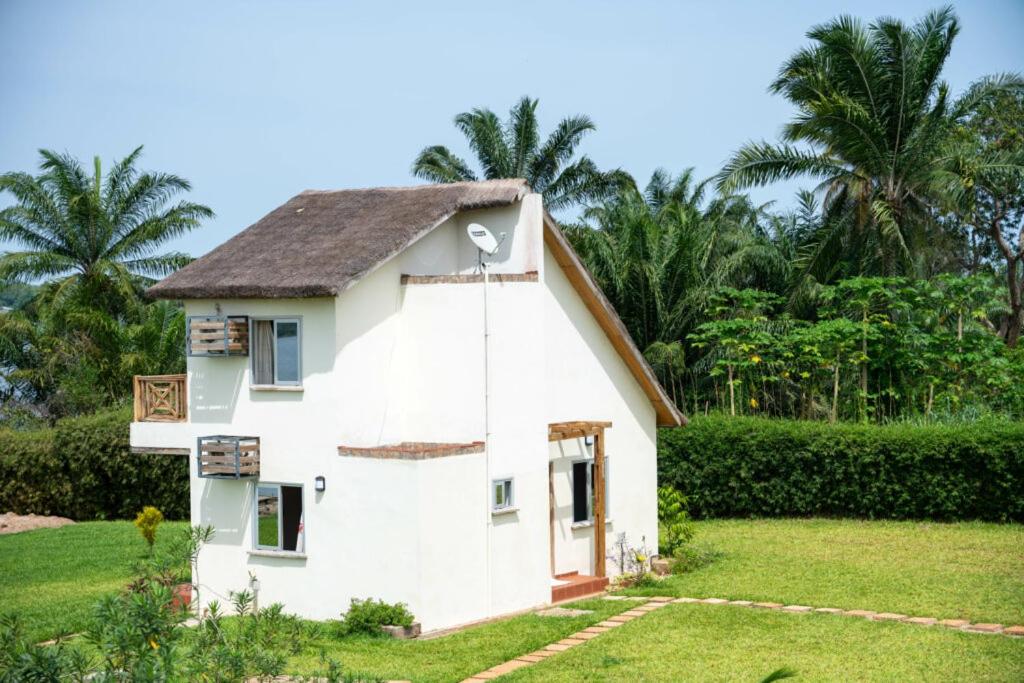
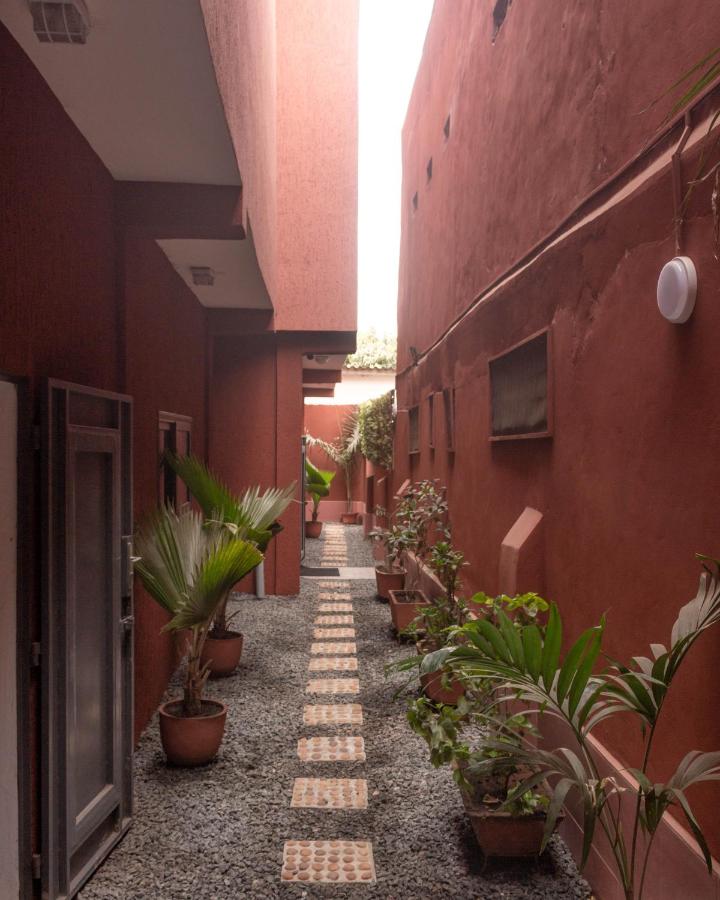
In terms of accommodation and dining options, Ouidah has a range of choices to suit different budgets and tastes. You can stay in a cozy guesthouse or a luxury hotel, and sample local dishes such as grilled fish, akassa (a type of cornmeal pancake), and fufu (a starchy dish made from cassava).
Discovering Ouidah: A Guide to Its Famous Attractions
Ouidah is a coastal town located in the Republic of Benin, known for its rich history and cultural heritage. It was once a prominent center of the slave trade, and today, it is a popular tourist destination with many attractions to explore. If you are planning a trip to Ouidah, here is a guide to some of its famous attractions:
One of the most significant landmarks in Ouidah is the Door of No Return. This archway was once the last point of departure for millions of African slaves who were shipped across the Atlantic to the Americas. Today, it serves as a poignant reminder of the town's painful past and is a must-visit for anyone interested in learning about the history of the slave trade.
Ouidah is also home to the Python Temple, a unique place of worship where pythons are revered and worshipped as sacred creatures. Visitors can watch as the snakes slither around the temple and even handle them with the help of a priest. It's a fascinating experience and one that you won't forget anytime soon.
For nature lovers, the Sacred Forest is a must-visit destination. This lush and dense forest is home to a variety of wildlife, including monkeys, birds, and other animals. It's also a place of spiritual significance, and visitors can explore the many shrines and sculptures that are scattered throughout the forest.
The Portuguese Fort is another famous attraction in Ouidah. This historic fort was built by the Portuguese in the 17th century and served as a key trading post during the colonial era. Today, visitors can explore the ruins of the fort and learn about its significance in the town's history.
Ouidah is also known for its annual Voodoo Festival, which takes place in January and is a major event in the town's cultural calendar. The festival is a celebration of voodoo culture, and visitors can witness colorful processions, traditional dances, and other cultural displays.
Discover the Language Spoken in Ouidah: A Complete Guide
Ouidah is a city in the southern region of Benin, known for its rich history and culture. It was once a major center for the slave trade and is now recognized as a UNESCO World Heritage Site.
One of the defining features of Ouidah is its diverse range of languages spoken by its inhabitants. The official language of Benin is French, but there are also many indigenous languages spoken throughout the country. In Ouidah, the most widely spoken language is called Fon.
The Fon language is part of the Gbe language group, which is spoken in several West African countries. It is estimated that around 1.7 million people in Benin speak Fon, making it one of the most widely spoken languages in the country.
Learning the Fon language can be a great way to immerse yourself in the culture of Ouidah and connect with the local people. There are several resources available for those interested in learning the language, including online courses and language exchange programs.
One of the most important aspects of learning any language is understanding its grammar and syntax. Fon has a relatively simple grammar system, with a subject-verb-object (SVO) word order. It also has a unique system of tone markings, which can change the meaning of a word depending on the pitch used.
Another important aspect of learning the Fon language is understanding its cultural context. The language is closely tied to the history and traditions of the Fon people, who make up a significant portion of Ouidah's population.
The Origin of Ouidah: Uncovering Its Name's Roots
The Origin of Ouidah: Uncovering Its Name's Roots
Ouidah is a city located in the Benin Republic, West Africa. Its name is derived from the Fon word “Hweda”, which means “on the beach”. The city has a rich history that dates back to the 16th century when it was a prominent center of the slave trade.
According to historical records, the Portuguese were the first Europeans to arrive in Ouidah in the late 15th century. They established a trading post and started exporting ivory, pepper, and slaves. The city became an important center of the slave trade during the 16th and 17th centuries, with thousands of slaves passing through its shores on their way to the Americas.
The name Ouidah became widely used during this period, as it was a major hub for slave traders from Europe, Africa, and the Americas. The city was also known as “Gléwé” in the Fon language, which means “marketplace”. It was a bustling commercial center where goods from all over West Africa were traded.
During the 19th century, Ouidah was colonized by the French, and it became part of the French West Africa colony. The city has since grown to become a major center of culture and tourism in Benin, attracting visitors from all over the world.
Ouidah is home to several historical landmarks that reflect its rich culture and history. The most prominent of these landmarks is the Ouidah Museum of History, which showcases artifacts and exhibits related to the slave trade and the city’s history. Other notable landmarks include the Sacred Forest of Kpasse, the Temple of Pythons, and the Portuguese Fort.
Today, Ouidah is a vibrant city that is known for its colorful festivals and cultural events. The annual Vodoun festival is one of the most popular events in the city, attracting thousands of visitors from all over the world.
Discovering the Founder of Ouidah Kingdom: Unveiling the History
Ouidah is a city in Benin, located on the Atlantic coast. It has a rich and complex history, which has been the subject of much study and speculation. One of the most intriguing aspects of Ouidah's history is the story of its founder, who has long been shrouded in mystery.
Recently, a team of archaeologists and historians embarked on a project to uncover the truth about the founder of Ouidah. Their research has shed new light on this fascinating figure, and has deepened our understanding of the city's past.
The founder of Ouidah was a man named Kaba, who is said to have arrived in the area in the early 17th century. According to local legend, he was a powerful warrior who was able to unite the various ethnic groups in the region under his leadership. He is also said to have had supernatural powers, and was able to communicate with the spirits of the ancestors.
The team of archaeologists and historians conducted extensive research into Kaba's life and times. They studied ancient maps, documents, and artifacts, and consulted with local experts and elders. They also conducted excavations at key sites, including the royal palace and the city's main market.
Through their research, the team was able to piece together a detailed picture of Kaba's life and achievements. They discovered that he was indeed a powerful warrior, who had fought in numerous battles and had earned the respect of his fellow warriors. They also found evidence that he had established a system of government that was both effective and fair, and that he had overseen the construction of many of the city's most important buildings and monuments.
Perhaps most importantly, the team was able to dispel many of the myths and legends that had grown up around Kaba over the years. They found no evidence to suggest that he had supernatural powers, or that he had been visited by any kind of divine being. Instead, they paint a picture of a man who was intelligent, resourceful, and deeply committed to his people.
To conclude, Ouidah is a unique destination that offers a blend of history, culture, and natural beauty. From the Gate of No Return to the Voodoo festival, the town has a lot to offer to travelers. The stunning beaches, lush forests, and friendly locals make it an ideal getaway for those seeking an off-the-beaten-path adventure. If you are planning a trip to Benin, make sure to include Ouidah in your itinerary and discover the hidden gem of West Africa.