
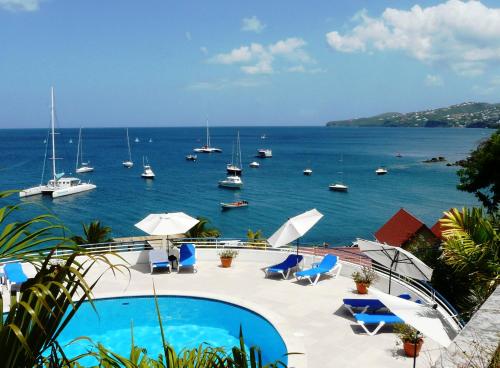

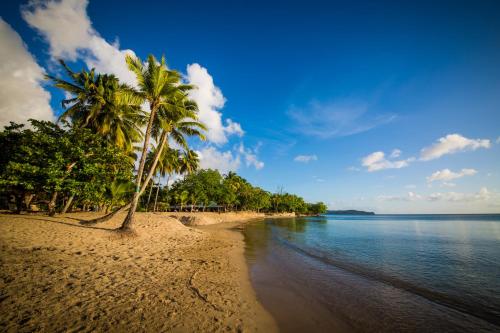


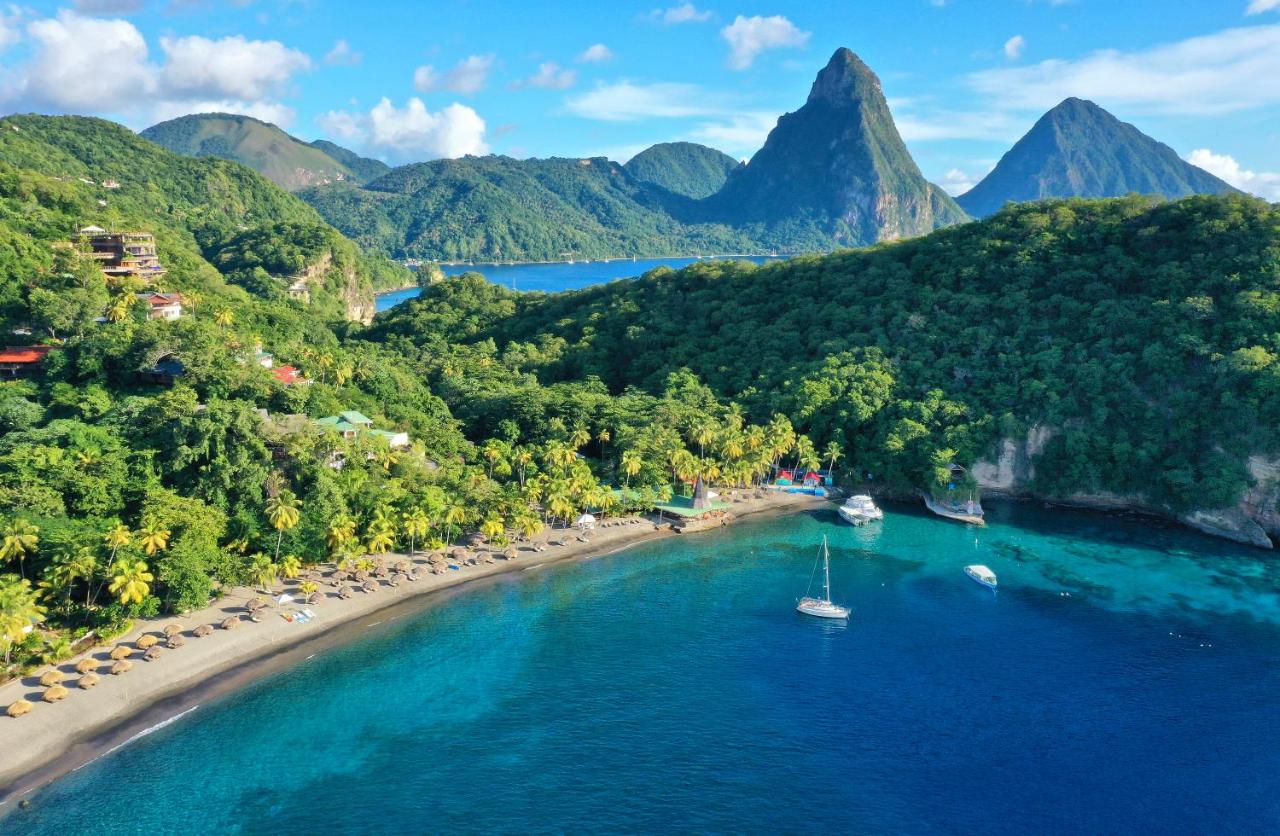


Discover Schœlcher
Foodies will also be delighted with Schœlcher's culinary scene. Local restaurants serve up delicious Creole dishes, such as accras (deep-fried cod fritters) and boudin noir (blood sausage). The area is also home to several rum distilleries, including Rhum Clément and Rhum Neisson, where YOU can sample some of the finest rums in the Caribbean.
Discover the Language of Martinique: Facts and Insights
If you want to truly immerse yourself in the culture of Martinique, it's important to understand the language spoken by its people. The official language of Martinique is French, but the island has its own unique creole language that is widely spoken by locals. In this article, we will focus on the language spoken in the Schœlcher locality of Martinique.
The creole language spoken in Schœlcher has its roots in the African and Caribbean languages brought over by slaves during the colonial era. Over time, these languages mixed with French, and a new language emerged that was unique to the island of Martinique.
Today, creole is widely spoken in Schœlcher and throughout Martinique. While French is the language of business and government, creole is the language of the people. It is used in everyday conversations, music, and literature, and is an important part of Martinique's cultural identity.
Creole in Schœlcher has its own unique vocabulary and grammar. While it is based on French, it has been heavily influenced by other languages, including African and Caribbean languages, as well as English and Spanish.
One of the most distinctive features of creole in Schœlcher is its use of "li" instead of "il" for the third-person masculine pronoun. For example, instead of saying "il est grand" (he is tall), a person speaking creole in Schœlcher would say "li gran."
Another characteristic of creole in Schœlcher is its use of "la" instead of "le" for the definite article. For example, instead of saying "le livre" (the book), a person speaking creole in Schœlcher would say "la liv."
If you're planning to visit Schœlcher or any other part of Martinique, learning some creole can be a great way to connect with the locals and gain a deeper understanding of the culture. It can also help you navigate everyday situations, such as ordering food or asking for directions.
Learning creole in Schœlcher can also be a fun and rewarding experience. It's a lively and expressive language that is often accompanied by music and dance. By learning creole, you'll not only gain valuable language skills, but you'll also gain a deeper appreciation for the rich culture and history of Martinique.
Creole is an important part of the cultural identity of Martinique, and learning the language can be a great way to connect with the locals and gain a deeper understanding of the island's history and culture. If you're planning a trip to Schœlcher or any other part of Martinique, consider taking some time to learn a few words and phrases in creole. You'll be surprised at how much it can enhance your experience!
Martinique's Citizenship: French or Independent?
The island of Martinique is a French overseas territory located in the Caribbean Sea. It is known for its beautiful beaches, lush landscapes, and vibrant culture. The island has a complex history, having been colonized by both the Spanish and the French throughout the centuries.
Today, Martinique is officially part of France and its citizens are considered French citizens. This means that they have the same rights and privileges as any other French citizen, including the ability to travel and work throughout the European Union. Martinique uses the Euro as its currency and follows French laws and regulations.
However, despite being part of France, Martinique has a unique cultural identity that sets it apart from mainland France. The island has a population of over 375,000 people, most of whom are of African or mixed African and European descent. The island's official language is French, but Creole is also widely spoken.
One of the most notable figures in Martinique's history is Victor Schœlcher, a French politician and abolitionist who played a key role in ending slavery in France and its territories. Schœlcher was born in Paris in 1804 but had a deep connection to Martinique, where he spent much of his childhood. He was a vocal advocate for the abolition of slavery and worked tirelessly to bring about change in France and its colonies.
Today, the town of Schœlcher on Martinique is named in his honor. The town is located on the island's western coast and is known for its beautiful beaches and historic buildings.
Martinique Island Ownership: Uncovering the Truth
Martinique is an island in the eastern Caribbean Sea and is considered an overseas region of France. The island has a rich history, and its ownership has been a topic of debate for centuries. In this article, we will uncover the truth about Martinique Island's ownership, specifically in the Schœlcher locality.
Schœlcher is a town in Martinique that is named after Victor Schœlcher, a French abolitionist who played a significant role in the abolition of slavery in the French colonies. The town is located on the west coast of Martinique and has a population of approximately 21,000 people.
Many people believe that Martinique Island is a sovereign nation, but this is not entirely accurate. Martinique is, in fact, an overseas region of France, which means that it is a part of France and subject to French law and governance. It is also a part of the European Union, which means that it enjoys the same rights and privileges as other EU member states.
However, the people of Martinique do have some autonomy in the way that their region is governed. They have their own elected officials, and they have some control over local matters such as education, healthcare, and transportation. Martinique also has its own flag and anthem, which are recognized by the French government.
The ownership of Martinique Island dates back to the 17th century when it was colonized by the French. The island became a hub for sugar plantations, and slavery was widespread. It wasn't until 1848 that slavery was abolished in Martinique and other French colonies, thanks in part to the efforts of Victor Schœlcher.
Today, Martinique Island is a popular tourist destination known for its stunning beaches, beautiful landscapes, and rich cultural heritage. Its ownership may be a subject of debate, but one thing is clear: Martinique is a unique and special place with a rich history and a bright future.
Is Martinique Independent? Facts and Myths
Schœlcher is a locality in Martinique, a French overseas territory located in the Caribbean Sea. One of the frequent debates surrounding Martinique is its political status. Is Martinique independent?
The answer is no, Martinique is not independent. It is an overseas department and region of France, meaning it is an integral part of the French Republic and subject to French laws, regulations, and institutions.
However, Martinique does have a unique status within France as an overseas territory with a degree of autonomy. It has its own regional council, which is responsible for some aspects of local governance, such as economic development, transportation, and culture. Martinique also has two members in the French National Assembly and one in the Senate.
Despite this autonomy, some Martinicans advocate for independence from France. This movement, known as the independence or separatist movement, is relatively small and has not gained significant political traction.
One myth surrounding Martinique is that it is a country. While Martinique has its own distinct culture, history, and language, it is not a sovereign nation. It is a part of France, and its citizens are French citizens.
Some argue that Martinique should have independence due to its history of colonization and exploitation. The island was first colonized by the French in 1635 and was a major center of the transatlantic slave trade. In the 20th century, Martinicans faced discrimination and economic inequality under French rule.
However, others argue that Martinique benefits from its status as a French territory. Martinicans have access to French social programs, such as healthcare and education, and enjoy the protections of French law. Martinique also receives significant financial support from France, which helps fund infrastructure projects and other initiatives.
In conclusion, Schœlcher is a beautiful locality that offers a perfect blend of culture and nature. From the vibrant festivals to the serene beaches and lush greenery, it is a must-visit destination in Martinique. The town's rich history and architecture also make it a great spot for history buffs. Whether you're looking for a relaxing vacation or an exciting adventure, Schœlcher has something for everyone. So, pack your bags and head to this charming town for an unforgettable experience!