



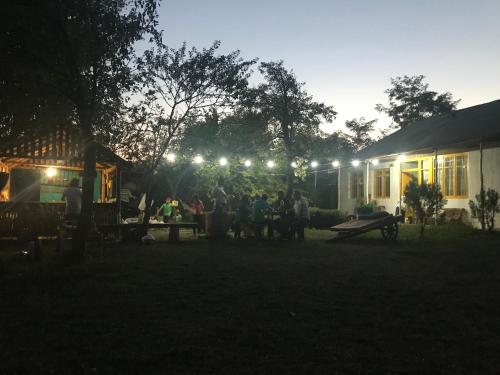

Discover Spitak
In addition to its natural beauty and cultural significance, Spitak is also a great destination for foodies. The town is known for its delicious local cuisine, with dishes like khashlama (a hearty meat stew) and tolma (stuffed grape leaves) sure to satisfy your taste buds.
So what are you waiting for? Book your trip to Spitak today and experience all that this hidden gem has to offer!
Spitak earthquake death toll: Facts and figures
The Spitak earthquake, also known as the Leninakan earthquake, struck Armenia on December 7, 1988, at 11:41 am local time. The earthquake was a devastating event, measuring 6.9 on the Richter scale and causing widespread damage and loss of life.
The epicenter of the earthquake was located near the city of Spitak, which is located in the northern part of Armenia. The earthquake was especially destructive in the Spitak region, where entire neighborhoods were destroyed and thousands of people lost their lives.
According to official reports, the death toll from the Spitak earthquake was approximately 25,000 people. This figure includes both immediate deaths as well as those who died from their injuries in the weeks and months following the earthquake. In addition to the fatalities, tens of thousands of people were injured and hundreds of thousands were left homeless.
The Spitak earthquake was a tragic event in the history of Armenia, and it had a profound impact on the country and its people. In the aftermath of the earthquake, the international community rallied to provide aid and support to those affected by the disaster. Despite this assistance, the road to recovery was a long and difficult one, and the effects of the earthquake are still felt in Armenia today.
Despite the devastation caused by the earthquake, the people of Armenia have shown remarkable resilience and strength in the face of adversity. Today, Spitak and the surrounding region have been rebuilt, and the city is once again a vibrant and bustling community.
The legacy of the Spitak earthquake serves as a reminder of the importance of disaster preparedness and the need for strong and resilient communities. While disasters like the Spitak earthquake are often unpredictable and uncontrollable, there are steps that can be taken to mitigate the effects and to ensure that communities are prepared to respond and recover.
The memory of those who lost their lives in the Spitak earthquake will never be forgotten, and their legacy lives on in the strength and resilience of the Armenian people.
Is Armenia a Third World Country? Exploring Its Status
Armenia is not considered a Third World Country. The term "Third World" originated during the Cold War to refer to countries that were not aligned with either the capitalist First World or the communist Second World. Today, the term is considered outdated and often seen as derogatory.
However, Armenia is still considered a developing country with a lower-middle-income economy. The country has faced numerous challenges, including a devastating earthquake in 1988 that killed tens of thousands of people and the collapse of the Soviet Union in 1991, which had a significant impact on the country's economy.
One town in Armenia that has faced its own set of challenges is Spitak. In 1988, a 6.9 magnitude earthquake struck the town, killing over 25,000 people and leaving many homeless. The earthquake had a profound impact on the town's infrastructure and economy.
Today, Spitak is still recovering from the earthquake. Many of the buildings that were destroyed have been rebuilt, but the town still faces challenges in terms of infrastructure and economic development. The town's population has decreased significantly since the earthquake, as many residents have left in search of better opportunities.
Despite these challenges, Spitak is a town with a rich history and culture. It is home to several historic churches and monuments, including the Spitakavor Church, which was built in the 7th century.
Devastating earthquake in Armenia: worst one yet?
On December 7, 1988, a massive earthquake struck Armenia, causing widespread destruction and claiming the lives of tens of thousands of people. The epicenter of the earthquake was located near the town of Spitak, which was one of the hardest hit areas.
The earthquake, which had a magnitude of 6.9, was the most powerful earthquake to ever hit Armenia. It lasted for just a few seconds, but the damage it caused was catastrophic. Entire buildings were reduced to rubble, and many people were trapped under the debris.
The town of Spitak was particularly devastated, with an estimated 25,000 people killed and many more injured. The town's infrastructure was completely destroyed, leaving residents without basic necessities such as water and electricity.
The earthquake had a profound impact on Armenia, both in terms of the physical damage it caused and the emotional toll it took on the population. Many people lost loved ones, and the country's economy was severely impacted by the disaster.
In the years since the earthquake, Spitak and other affected areas have slowly been rebuilding. However, the scars of the disaster are still visible, and many people continue to struggle with the aftermath.
The devastating earthquake in Armenia was a tragic event that will never be forgotten. As we remember those who lost their lives and honor the resilience of those who survived, we must also work to ensure that future generations are better prepared to deal with natural disasters.
Discovering the Meaning of Lori in Armenian
Located in the northern region of Armenia, Lori is known for its beautiful landscapes, rich cultural heritage, and ancient history. But have you ever wondered what the name Lori means in Armenian?
After conducting some research, we have discovered that the word Lori comes from the Armenian word Loru, which means "highland" or "mountainous region." This is not surprising, as Lori is home to some of the highest mountains in Armenia, including Mount Aragats, the highest peak in the country.
Another interesting fact about Lori is that it was one of the areas most affected by the devastating Spitak earthquake in 1988. The earthquake, which had a magnitude of 6.8, destroyed many buildings and claimed the lives of thousands of people. However, the resilient people of Lori have since rebuilt their communities and continue to thrive.
Today, Lori is known for its stunning natural beauty, including lush forests, crystal clear lakes, and soaring mountain ranges. It is also home to several important cultural landmarks, such as the Haghpat and Sanahin monasteries, which are UNESCO World Heritage sites.
If you are planning a trip to Armenia, be sure to visit Lori and experience the rich history, culture, and natural beauty of this beautiful region.
In conclusion, Spitak is a fascinating locality with a rich history and culture. From its tragic earthquake to its remarkable resilience and rebuilding efforts, the town has overcome challenges and emerged stronger than ever. Visitors to Spitak can expect to be welcomed by friendly locals, enjoy delicious Armenian cuisine, and explore various natural and cultural attractions. With its stunning landscapes, ancient monuments, and warm hospitality, Spitak is undoubtedly a destination worth exploring for anyone interested in Armenia's past, present, and future.