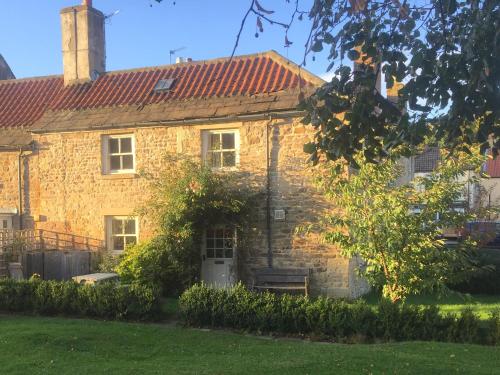
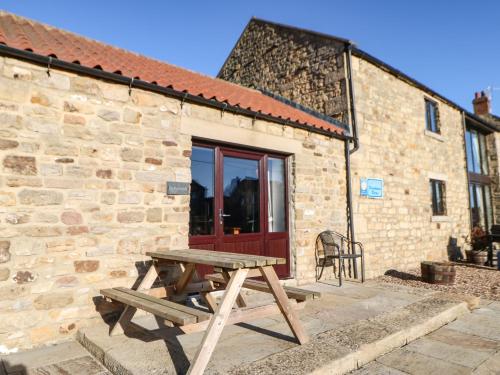
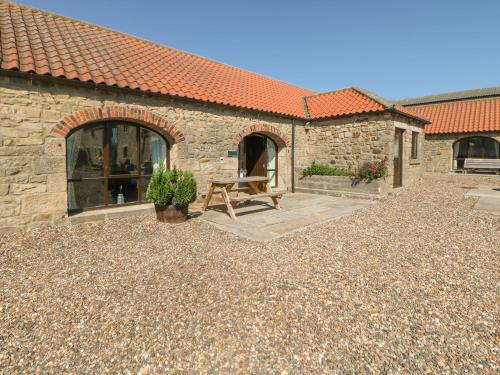
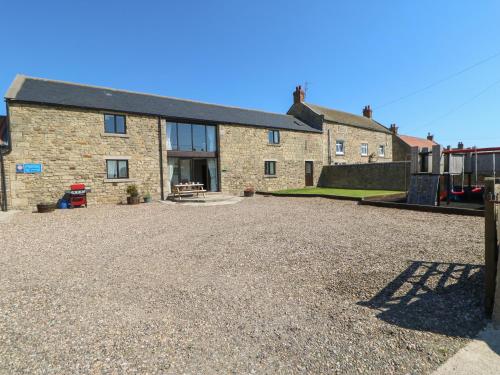




Discover Staindrop
If you're looking for a bit of adventure, Staindrop has plenty to offer. The village is surrounded by rolling hills, perfect for hiking and cycling. The nearby Hamsterley Forest is a popular destination for outdoor enthusiasts and offers a range of activities, including horse riding, fishing, and even a treetop adventure course.
For a more leisurely day out, why not take a stroll through the village's many independent shops and cafes? You'll find everything from handmade crafts to delicious local treats, all within walking distance of each other.
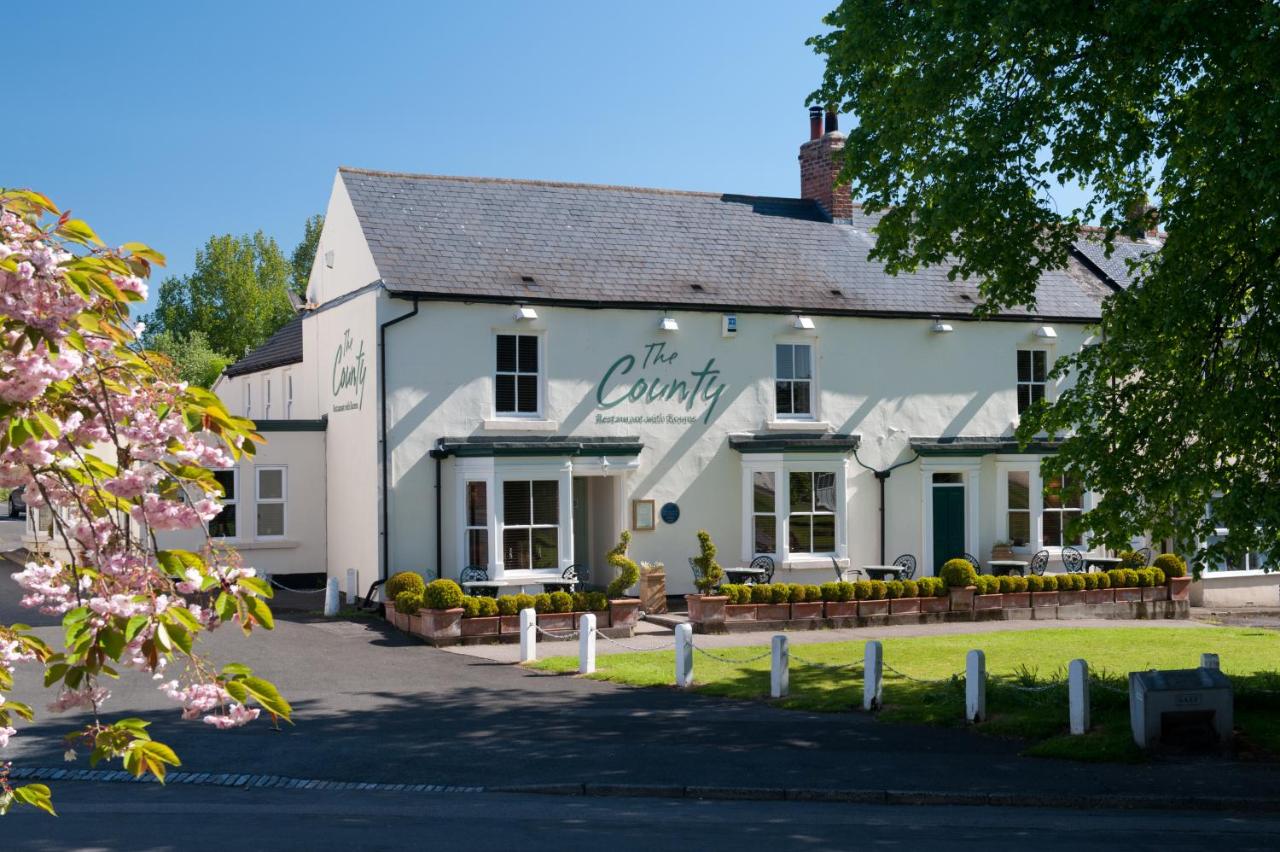
In the evenings, Staindrop comes alive with a range of pubs and restaurants. The local pub, The Black Horse, is a favorite among locals and visitors alike and serves up hearty British fare and a range of local beers.
Population of Staindrop: Facts and Figures
Staindrop is a small village located in County Durham, in the North East of England. According to the most recent census conducted in 2011, the population of Staindrop was 1,402. This figure represents a small increase from the previous census in 2001, which reported a population of 1,324.
Staindrop is a relatively small village, but it is home to a diverse community of people. The majority of residents in Staindrop are of White British ethnicity, accounting for 98% of the population. There are also small numbers of people from other ethnic groups, including Asian, Black, and Mixed ethnicity.
The age structure of Staindrop's population is fairly typical of rural areas in the UK. The largest age group is the 45-64 age bracket, which accounts for 28% of the population. This is followed by the 25-44 age group, which represents 24% of the population. Children under the age of 15 make up 17% of the population, while those aged 65 and over account for 23%.
Staindrop is a relatively affluent area, with a higher than average proportion of the population in managerial or professional occupations. In fact, 42% of the working age population in Staindrop are employed in these types of roles. The village has a low unemployment rate of just 1.9%, which is significantly lower than the national average.
The population of Staindrop is predominantly Christian, with the Church of England being the most commonly practiced religion. There are also small numbers of people who practice other religions, including Islam and Hinduism. However, 30% of the population reported having no religion in the 2011 census.
Discovering Staindrop's Fascinating History
Staindrop is a small village located in the county of Durham, in the North East of England. Despite its small size, it has a rich and fascinating history that dates back to the 12th century.
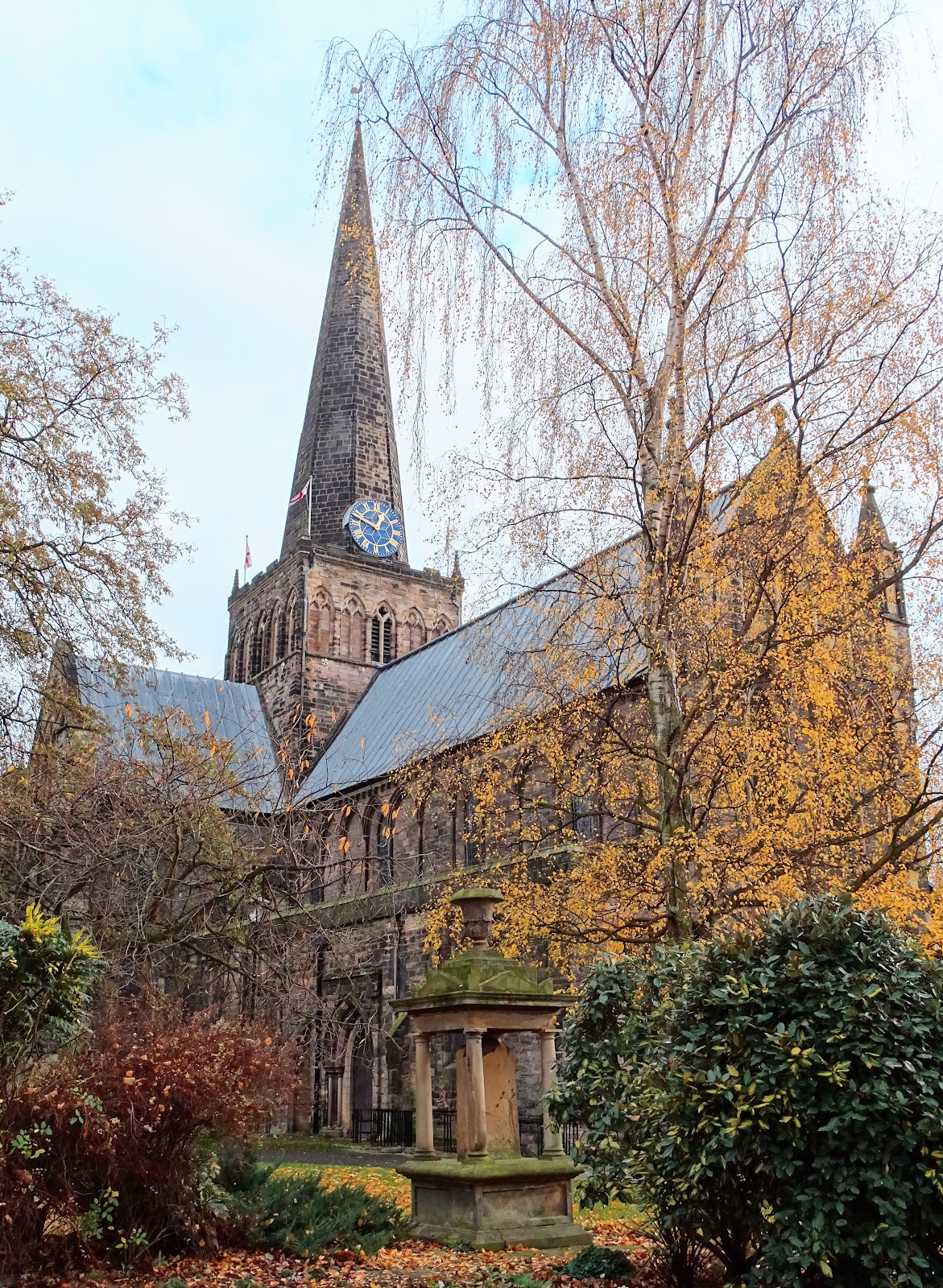
One of the most notable landmarks in Staindrop is its church, St Mary's. This church was built in the 12th century and is a testament to the village's long history. The church is also home to the tomb of Ralph Neville, the 1st Earl of Westmorland, and his wife. Neville was a prominent figure in English history and played a key role in the Wars of the Roses.
The village of Staindrop also played an important role in the Industrial Revolution. In the 18th and 19th centuries, Staindrop was a hub of activity for the weaving industry. Many of the village's buildings, such as the Old Grammar School, were built during this time.
Another interesting fact about Staindrop is that it was once the home of a notorious highwayman, Robert Hazell. Hazell was a notorious criminal who operated in the north of England during the 18th century. He was eventually caught and executed for his crimes.
Today, Staindrop is a charming village that is home to a small community of around 1,000 people. Despite its small size, it has a rich and fascinating history that is worth exploring.
If you're interested in history, Staindrop is
Discovering Staindrop's Origins: The Story Behind Its Name
Staindrop is a small village located in the Teesdale area of County Durham in northeast England. It is situated near the River Tees and is known for its historic buildings and picturesque countryside. But have you ever wondered how the village got its name?
The name Staindrop is believed to have originated from the Old English words "stān" and "dorp". "Stān" means stone and "dorp" means village or hamlet. So, Staindrop literally means "stone village".
There are a few theories as to why the village was named after stones. One theory is that there were several large stones in the area that were used as landmarks by travelers. Another theory is that the village was built on a rocky outcrop.
Staindrop has a rich history dating back to medieval times. In the 12th century, the village was home to a castle built by Ralph de Conyers, a Norman nobleman. The castle was later owned by the Neville family, who were one of the most powerful families in northern England during the 15th and 16th centuries.
The village also has a connection to the famous English poet, Sir Walter Scott. In the early 19th century, Scott visited Staindrop and was inspired by its beauty. He wrote about the village in his novel Rokeby, which was published in 1813.
Today, Staindrop is a popular tourist destination, attracting visitors from all over the world. Its historic buildings, including St Mary's Church and Raby Castle, are a testament to the village's rich history. Whether you are interested in history, architecture, or simply want to enjoy the beauty of the countryside, Staindrop is
Why County Durham Earned Its County Status
County Durham is a historic county located in the northeast of England. It earned its county status due to its rich history and important contributions to the country.
One of the significant factors that led to County Durham's status was its role in the Industrial Revolution. The county was one of the leading coal-mining areas in the world, and its coal was used to power the factories that drove the revolution.
The county is also home to several important landmarks, including the Durham Cathedral, which is a UNESCO World Heritage Site. The cathedral is considered one of the finest examples of Norman architecture in Europe and attracts thousands of tourists every year.
Another reason why County Durham earned its county status was its important role in the development of the railway network in the country. The first steam locomotive was built in the county by George Stephenson, who also constructed the Stockton and Darlington Railway.
The Staindrop locality in County Durham is a small village that has played a significant role in the county's history. The village is home to Staindrop Castle, which was built in the 12th century and was once the residence of the Neville family.
Staindrop also has a rich religious history. The village is home to St Mary's Church, which was built in the 12th century and is considered one of the finest examples of Norman architecture in the county. The church is also home to the tomb of Ralph Neville, the first Earl of Westmorland.
In conclusion, Staindrop is a charming locality located in the heart of the United Kingdom of Great Britain and Northern Ireland. Its rich history, natural beauty, and warm community make it a wonderful place to call home. Whether you're interested in exploring the local landmarks, taking a stroll through the countryside, or simply enjoying the company of friendly locals, Staindrop has something for everyone. So, if you're looking for a peaceful and welcoming place to visit or reside, Staindrop is definitely worth considering.